How PMDD Affects Your Life
Follow us on social media
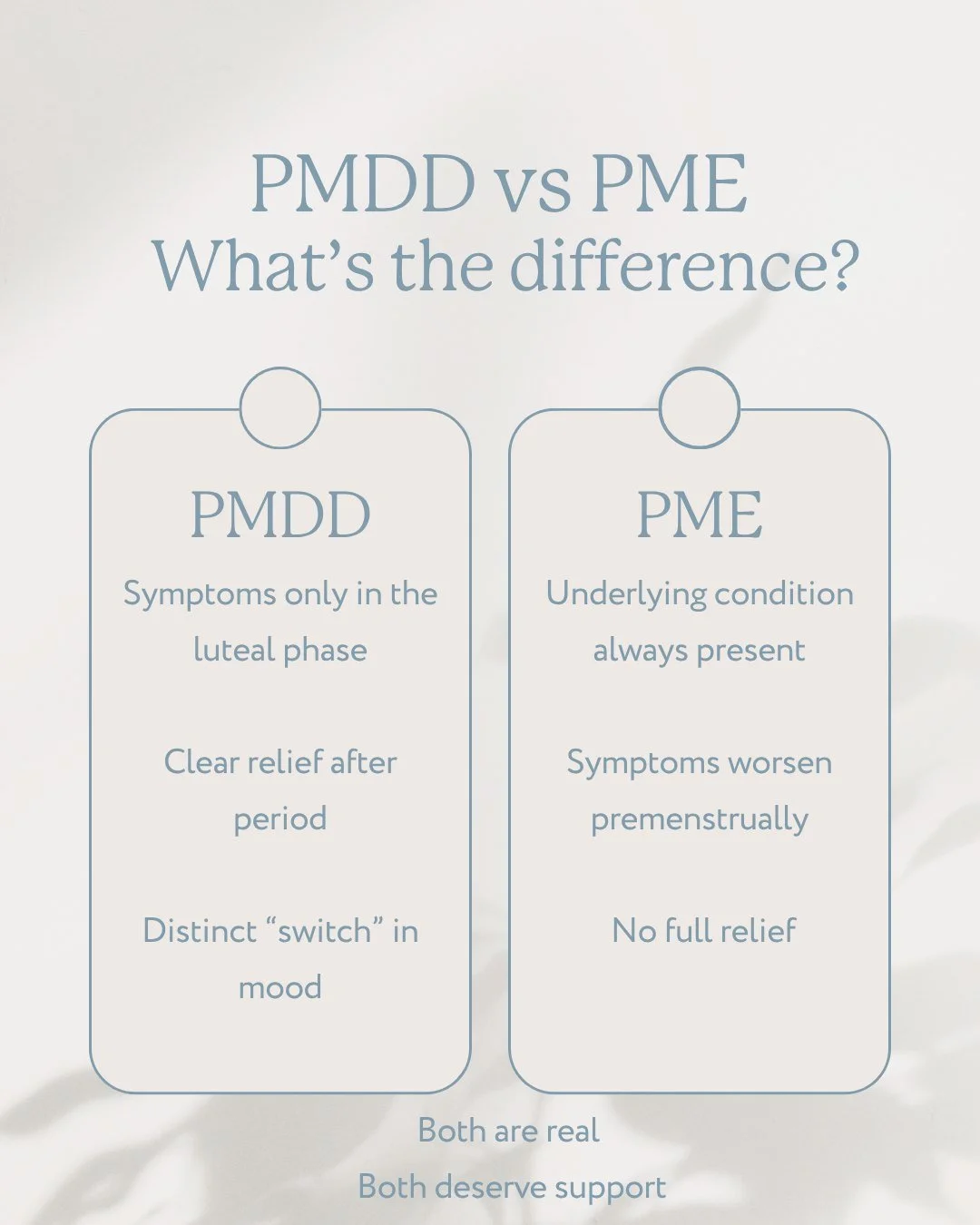
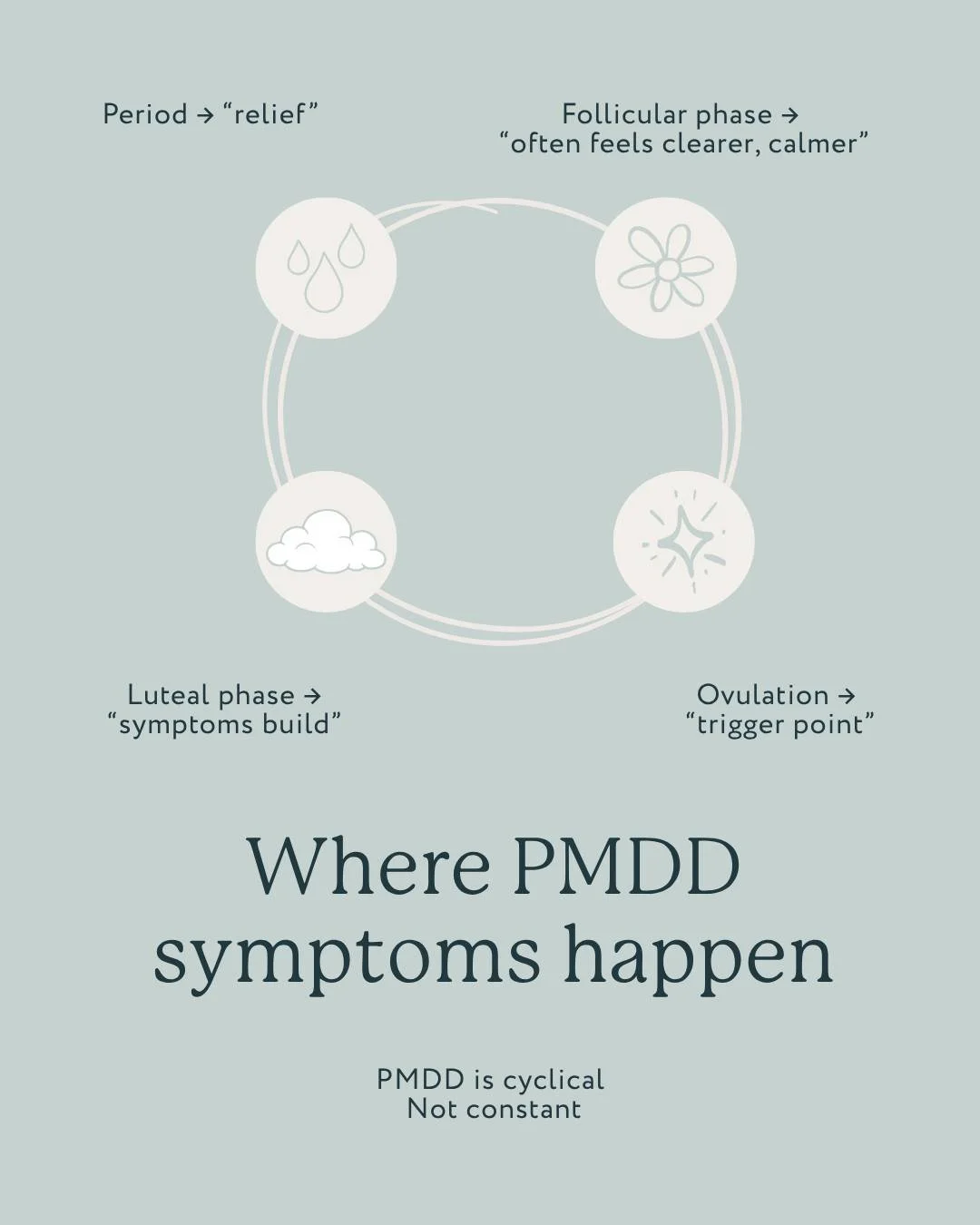
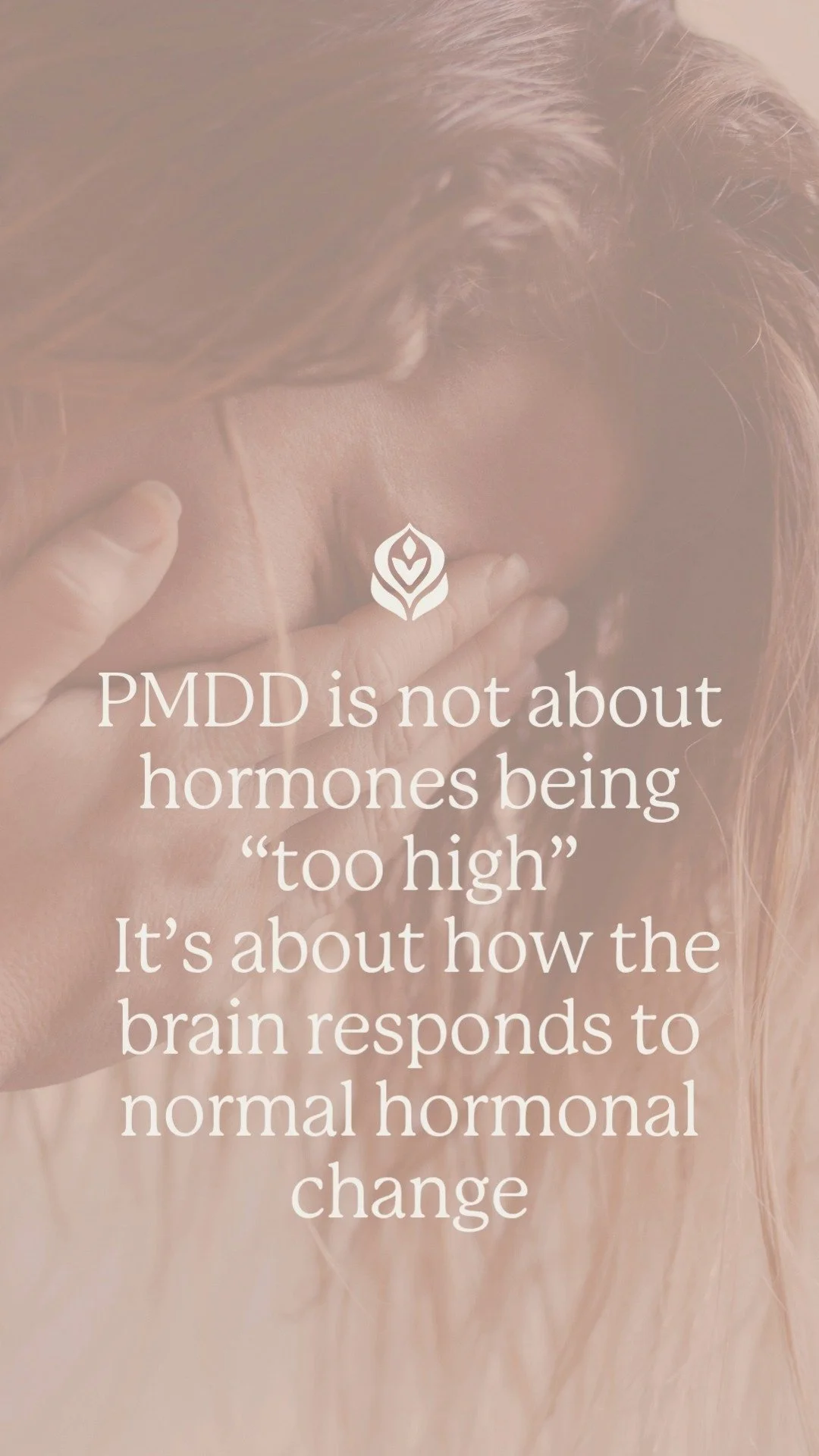
PMDD and bipolar disorder can look similar, but the difference lies in the pattern. Understanding this can change everything about your treatment and recovery.
If you feel a surge of energy after your period—only to crash into exhaustion again—you’re not imagining it. Many women with PMDD experience a hidden cycle of overcompensation and burnout. Here’s why it happens and how to break the pattern.
PMDD can be life-altering, particularly when symptoms disrupt work and daily functioning. In the UK, this may bring legal protections under disability law, alongside access to workplace adjustments and financial support. Here’s what you need to know.
Puberty and the menstrual cycle can bring significant changes for autistic teenage girls, often affecting sensory sensitivity, emotional regulation and energy levels. This blog explores how hormones interact with the autistic nervous system, why PMS may feel more intense, and how understanding these patterns can help families provide the right support at the right time.
Hormonal fluctuations across the menstrual cycle can significantly affect ADHD symptoms in women. Understanding the link between oestrogen and dopamine can help explain monthly changes in focus, mood and motivation.
Hormonal changes can significantly affect ADHD symptoms in teenage girls. Understanding the link between PMS, oestrogen and dopamine can help families better support concentration, emotions and school performance.
Many women notice their IBS worsens around their period, during PMS, or in perimenopause — yet few are told that hormones directly influence gut sensitivity and motility. In this article, we explore the science behind hormone-related IBS and explain how personalised, cycle-aware treatment can transform symptoms.