
PMDD & Severe PMS Support
Specialist consultation for PMS, PMDD and hormone-related mood symptoms with a GP specialising in hormonal and mental health
If your symptoms change in the lead-up to your period — affecting both your mind and body, and ability to cope — you may feel like a different version of yourself at different points in the month.
At Sirona Health, I offer thoughtful, personalised consultations to help you understand what’s happening — and what might help.
Online consultations across the UK
“I walked away from the appointment feeling so much more positive and hopeful for the future and for that I will be forever grateful, I finally feel like I can see a light at the end of the tunnel. You are genuinely worth your weight in gold and an invaluable doctor for women like myself.”
from £260
60 minute consultation • No referral needed • Personalised care plan
Many women I see come to me because they are:
trying to understand whether this could be PMDD or
feeling stuck despite previous treatment
This consultation is a space to explore your symptoms in depth and build a plan that actually fits you.
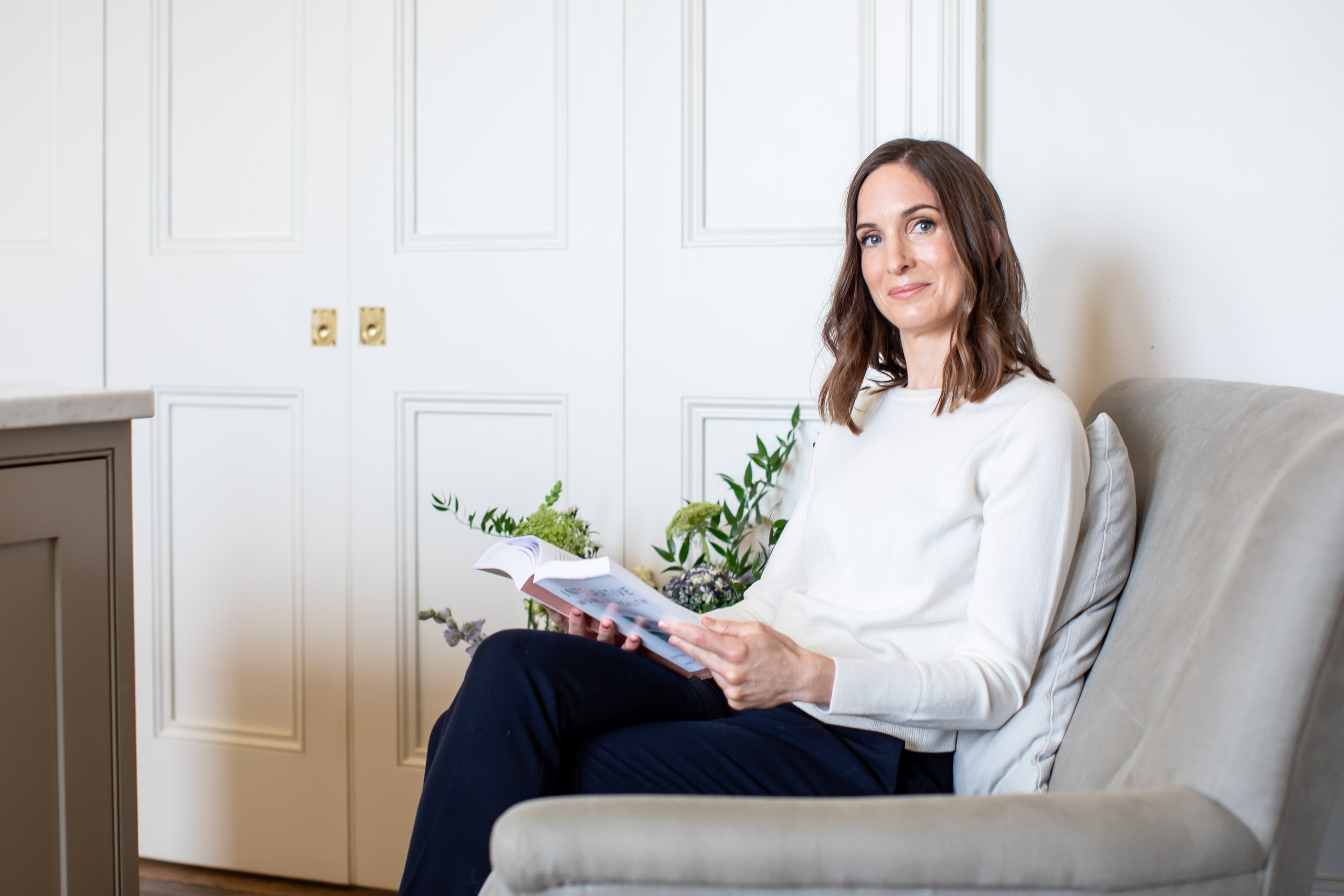
Led by Dr Georgina Standen, GP with an interest in hormonal mental health
MBChB MRCGP DRCOG DFSRH
With experience in both gynaecology and psychiatry, I take an approach that considers both hormonal and psychological factors — particularly for symptoms that don’t fit neatly into one category.


Take the first step towards feeling like yourself again.
New Patient Consultation
A 60-minute, in-depth consultation designed for symptoms that haven’t been straightforward.
Remote £260 | Calcot Spa (Tetbury) £305
✔ look at how your symptoms change across your cycle and reproductive life
✔ review what you’ve already tried and how your body responded
✔ identify patterns such as hormone sensitivity or instability
✔ agree a clear, personalised management plan
You leave with a clear explanation and a personalised plan for what to do next.
Understanding PMDD: Symptoms, Causes & What Can Help
Helping you understand what’s happening in your body and mind, so you can feel more in control and find the right support.

Do I Have PMDD? (Recognition & Diagnosis)

Understanding PMDD (The Science Explained Simply)

How PMDD Affects Your Life

Management and support
Your PMS Supplement Evidence Guide — Free Download
Still exploring what might help?
This guide looks at the evidence behind common supplements for PMS — including what may help, what’s less clear, and where supplements tend to have limitations.
It’s most useful if you’re at an early stage, or want to understand your options before deciding what to do next.
FAQs
-
PMS (Premenstrual Syndrome) involves mild to moderate physical and emotional symptoms before menstruation. PMDD (Premenstrual Dysphoric Disorder) is a severe form of PMS that significantly impacts daily life with intense mood swings, irritability, and physical discomfort.
-
Both PMS and PMDD are linked to hormonal changes during the menstrual cycle, especially fluctuations in estrogen and progesterone. Other factors such as genetics, brain chemistry, stress, and lifestyle can also influence symptoms.
-
Diagnosis is based on symptom tracking over at least two menstrual cycles. A healthcare provider will assess symptom patterns, severity, and impact on daily life, ruling out other medical conditions.
-
Support varies depending on symptom severity and individual needs. Many women benefit from lifestyle approaches such as nutrition, movement, and stress management, alongside targeted supplements like calcium and magnesium. Following a full clinical assessment, a range of evidence-based options may be discussed to help improve symptoms and overall quality of life. More information can be found in our guide.
-
Some women with mild PMS find relief through natural approaches such as balanced nutrition, regular exercise, mindfulness practices, and herbal supplements. However, moderate or severe cases are likely to require medical intervention.
-
If your symptoms severely affect your daily life, relationships, or work, or if over-the-counter treatments haven’t helped, consult a healthcare professional or menopause specialist for tailored support.