Treatment & Management
Medical treatments
Progesterone-only HRT is increasingly requested by women in perimenopause, often because sleep, anxiety and night sweats feel unmanageable and they’re wary of oestrogen or synthetic progestogens. But progesterone-only isn’t a standard NHS pathway — largely because guidance is oestrogen-led and progesterone’s established role is womb protection. The emerging evidence (including perimenopause-specific trial data) suggests progesterone can help some women, but it isn’t a complete solution for many perimenopause symptoms. Here’s how to make an evidence-based, personalised decision.
Gel, patch or spray? If your HRT isn’t working the way you hoped, the issue may not be the dose but how your body absorbs it. Learn how transdermal HRT works and why personalised care matters.
For years, women were told there was a limited “window of opportunity” to start HRT safely for heart health. New evidence shows this isn’t true. Modern studies reveal that the timing of HRT matters far less than the type, route, and overall cardiovascular profile. Dr Georgina Standen explains why HRT remains safe and beneficial well beyond ten years after menopause when used appropriately.
Many women experience vaginal dryness, discomfort or urinary changes after menopause — but you don’t have to live with it. Genitourinary Syndrome of Menopause (GSM) is common and treatable. From moisturisers and lubricants to Gina®, Ovesse®, Imvaggis® and prasterone, discover safe and effective options to restore comfort and confidence.
Many women worry that because they didn’t tolerate the pill in their 20s, they won’t tolerate HRT in menopause. In reality, the two treatments are very different — HRT uses lower doses of body-identical hormones tailored to your needs, and many women who struggled with the pill find they thrive on HRT.
Dydrogesterone is emerging as a progestogen with a gentler side effect and safety profile compared to others. Learn what the latest studies show and whether Estradiol + Dydrogesterone HRT might be the right choice for you.
The MHRA has approved a testosterone cream for postmenopausal women in the UK. At Sirona Health, based in Bath, Stroud, Cirencester & Tetbury, you can access this treatment privately now — even before the official UK launch.
Therapeutic approaches
ACT is gaining attention as a potential therapy for PMDD, but what does the evidence actually say? This article explores whether it can help and where it fits in treatment.
Why do some symptoms feel overwhelming despite normal tests? This evidence-based guide explores the nocebo effect, somatisation, and physiological sensitivity—helping you understand your body in a more compassionate, scientific way.
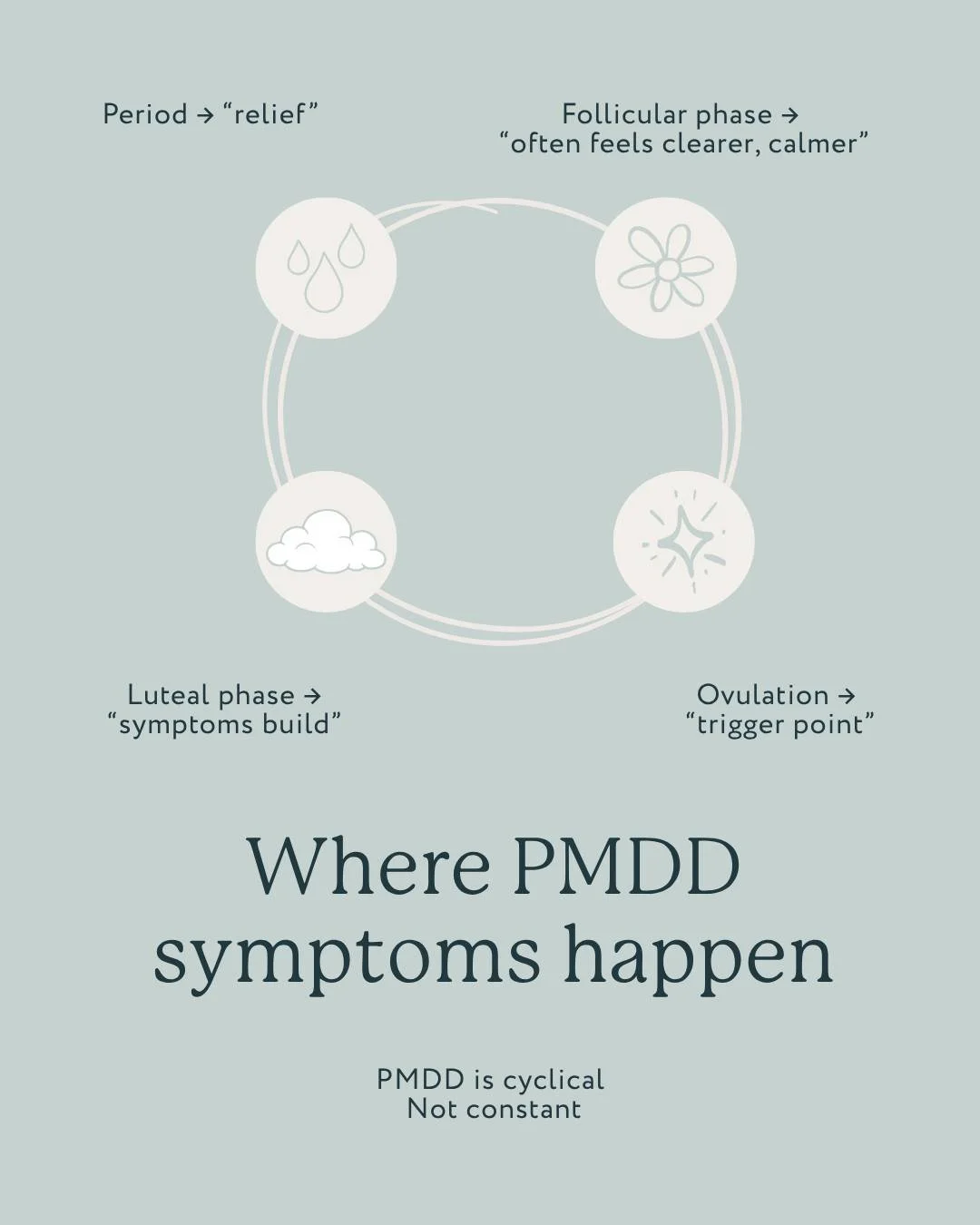
PMDD is not just about hormones, it is about how the brain responds to them. This blog explores how DBT can help women manage emotional intensity and regain a sense of control.
Hormones influence your mood—but how you respond to yourself matters just as much. Learn how self-compassion can transform PMS, PMDD and perimenopausal mental health.
Lifestyle & self-management
Testosterone doesn’t fall off a cliff at menopause — it declines gradually. Learn how nutrition, movement, sleep and stress balance can help preserve your natural levels and energy through midlife.