Understanding PMDD (The Science Explained Simply)
Women with PMDD and women without it can have identical hormone levels. New genetic and cellular research explains why — and it isn't about willpower, it's biology.
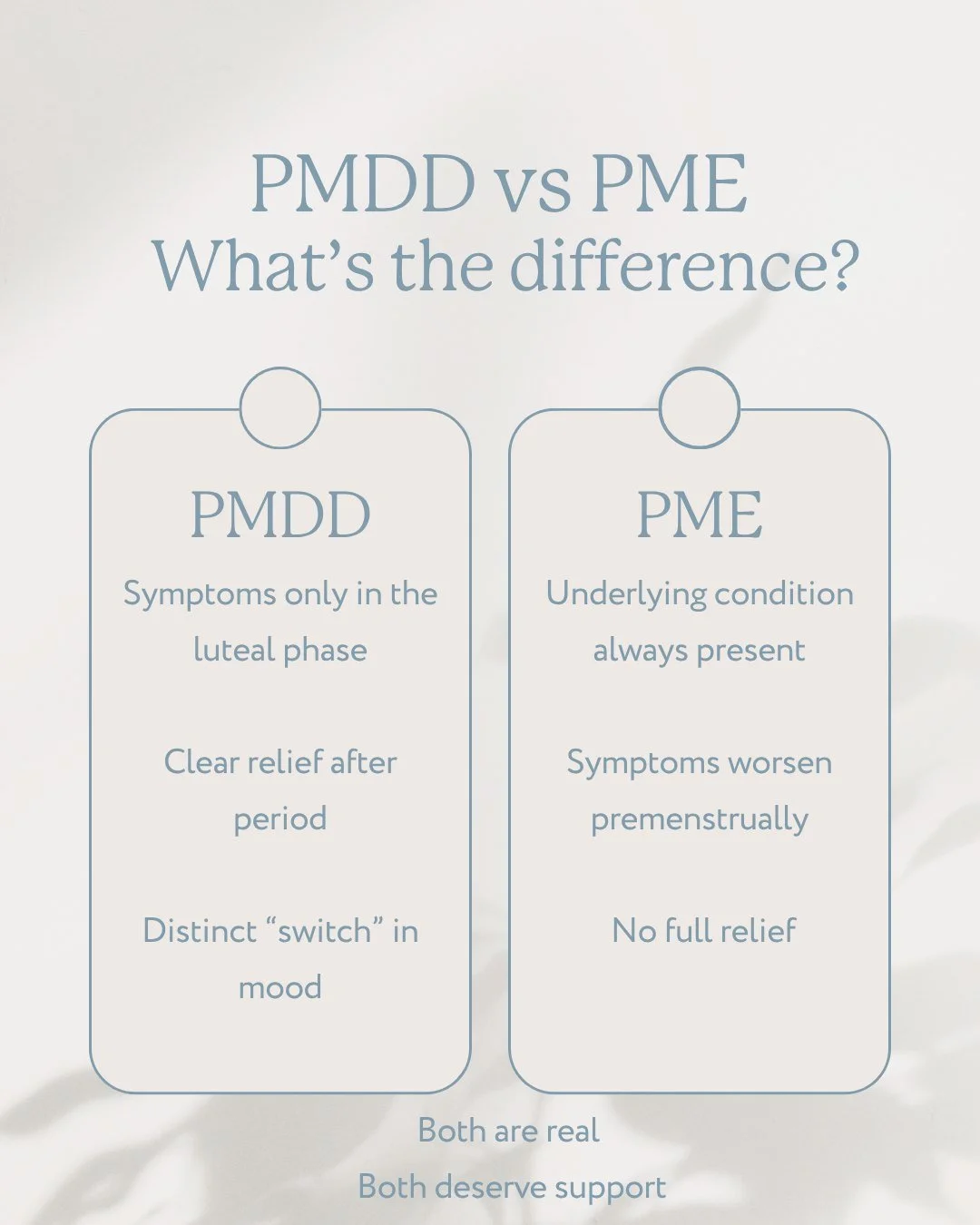
PMDD isn't a psychological overreaction to normal hormones — it's a measurable difference in how the brain responds to them. Here's what the imaging research actually shows.
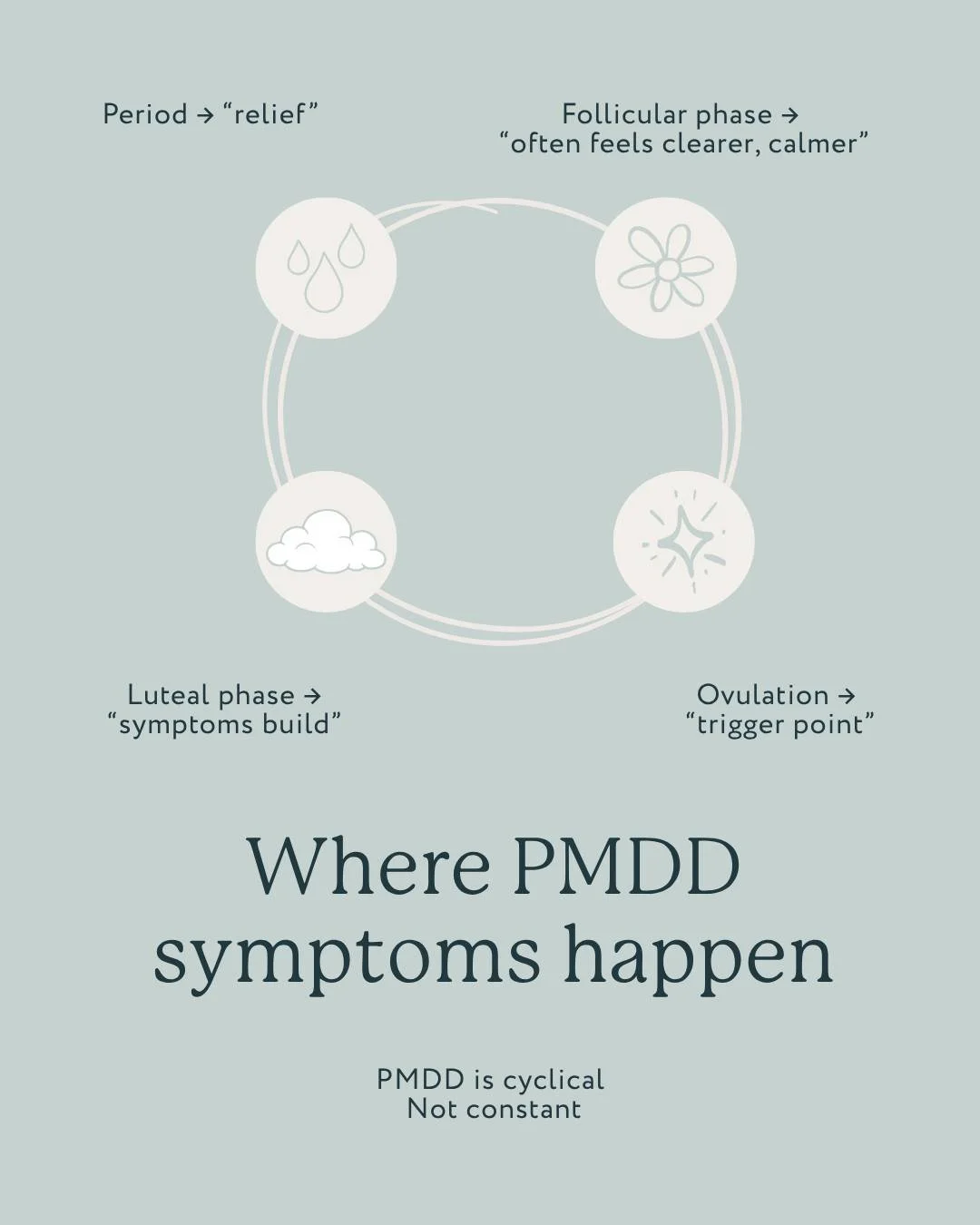
Why do some women become intensely irritable after ovulation, while others experience depression during their period or impulsivity around ovulation? A new 2025 framework called DASH-MC (Dimensional Affective Sensitivity to Hormones across the Menstrual Cycle) suggests there isn't just one type of hormone sensitivity, but several distinct patterns. This could help explain why PMDD, ADHD, anxiety and depression can fluctuate differently across the menstrual cycle—and why treatments that work brilliantly for one woman may do very little for another.
A new study has found altered glymphatic system activity in women with PMDD. This emerging research may help explain links between sleep, inflammation, hormone sensitivity and emotional regulation.
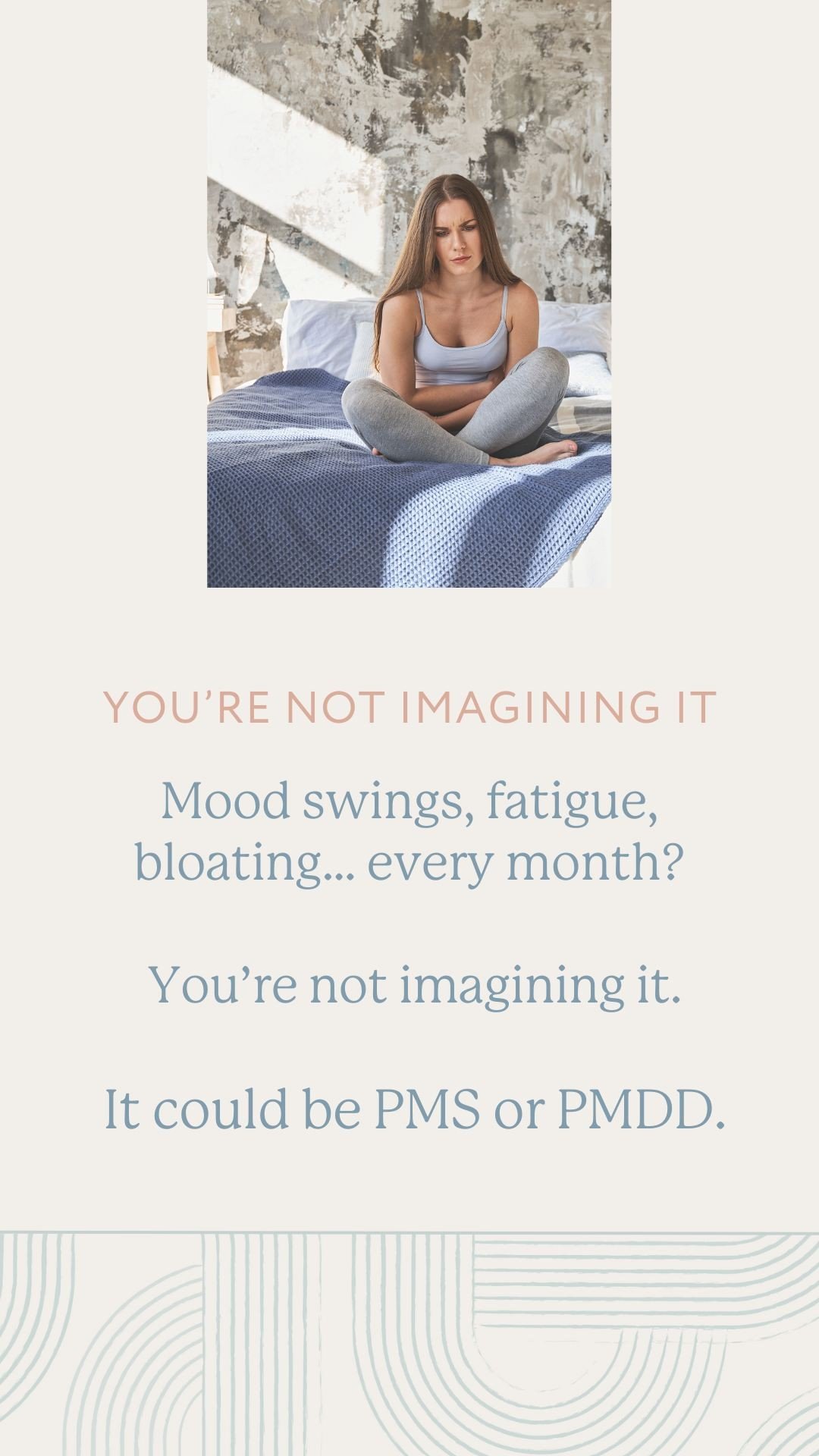
PMS and PMDD aren’t just about hormone levels—they’re about how your brain responds to them. This blog explores why symptoms differ between women and how treatment can be tailored to your unique hormonal pattern.
Many teens don’t realise that what they’re experiencing each month may be more than just “bad mood” or cramps. PMS (Premenstrual Syndrome) can start early, with physical and emotional symptoms that disrupt school, relationships, or self-esteem. This post explains how PMS shows up in adolescence, how common it is, what helps, and when to seek support.
Stress can affect every part of the female hormone system, from ovulation and cycle regularity to sleep, mood and long-term wellbeing. In this blog, Dr Georgina Standen explains how acute and chronic stress influence oestrogen, progesterone and cortisol, the symptoms that can follow, and the most effective lifestyle, medical and complementary approaches to restoring balance.
Could your genes and folate metabolism influence your premenstrual mood? New research suggests that the MTHFR gene — which affects how we process folate and regulate brain chemistry — may play a role in PMS and PMDD. Dr Georgina Standen explains what methylation is, what the latest studies show, and how to support healthy folate levels through diet and supplements.
Some women react strongly to progesterone, triggering mood swings, anxiety, or skin changes. Learn which progestins are best tolerated, with evidence-based advice from Dr Georgina Standen at Sirona Health.
If your skin flares up, your gut feels reactive, or you find yourself flushed, itchy, or anxious around your period or during perimenopause, you’re not imagining it. There’s growing evidence that female hormones can directly influence immune cells called mast cells, changing how much histamine your body releases. These hormone–immune interactions may explain why some women experience cyclical symptoms that cross several systems — skin, digestion, mood, and energy — yet have never been fully explained by hormones alone.
Many women notice that their mood changes around times of hormonal fluctuation — before a period, after having a baby, or during the perimenopause. For some, these changes are mild; for others, they can be life-altering. This pattern is increasingly recognised as a distinct form of depression known as reproductive depression. Here, I explain what that means, why hormones can influence the brain so profoundly, and how this understanding is helping us shape more effective, personalised treatments.