
Hormones and sleep during the menopause
Menopausal symptoms, like hot flushes and sweats, anxiety, and depressed mood, are all caused by the decline of oestrogen, which leads to disrupted sleep. Anxiety makes it difficult to fall asleep, while depression results in non-restorative sleep and early morning awakening. Interestingly, menopausal sleep disturbance may be the root cause of anxiety and depression. Additionally, joint aches, bladder problems, and passing urine at night are also common issues caused by oestrogen decline, which further aggravate sleep disruption. The decline of progesterone during menopause is another factor that contributes to sleep disturbance, since progesterone has a sleep-inducing effect by acting on brain pathways. Furthermore, melatonin, another crucial hormone for sleep, decreases with age and is partly influenced by oestrogen and progesterone. Thus, the decline of melatonin levels during perimenopause can exacerbate the problem.
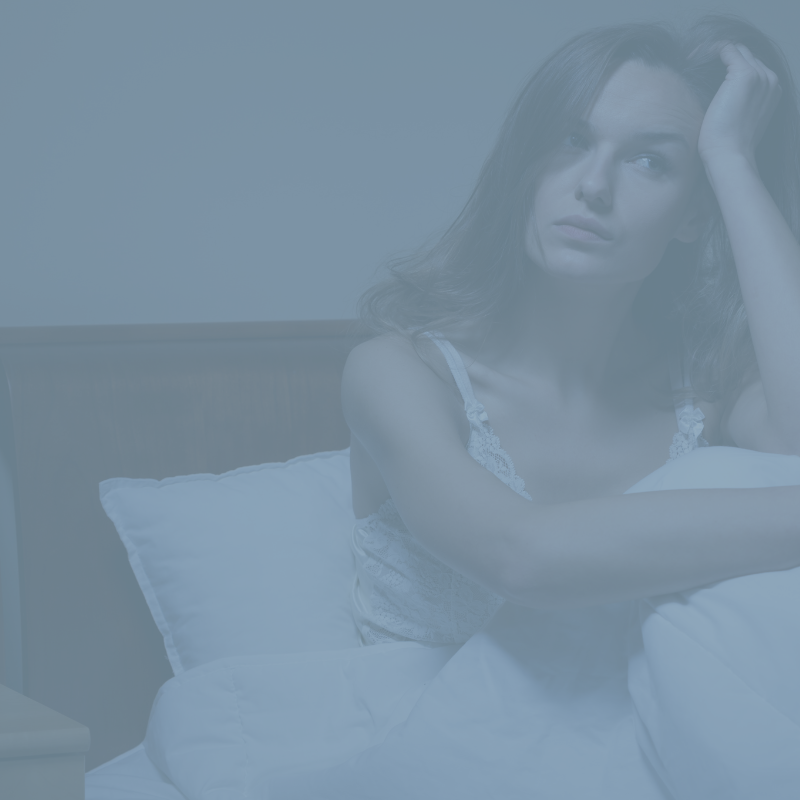
Can Hormone Replacement Therapy Help with Sleep Disturbance in Menopausal Women?
Recent studies suggest that Hormone Replacement Therapy (HRT) can help with sleep disturbance resulting from vasomotor symptoms in women. HRT primarily contains oestrogen, which is used to treat symptoms caused by oestrogen deficiency. However, the addition of progesterone may have an added benefit, as it has been shown to increase non-REM 3 sleep.
To prevent oestrogenic stimulation of the womb lining, progesterone or progestogen is recommended to be taken along with oestrogen. There are two types of progesterone: body-identical progesterone, which is made by cells in the ovaries, and synthetic progestogens (also known as progestins) that mimic the body's own progesterone.
While many types of HRT contain synthetic progestogens (such as norethisterone, dydrogesterone, medroxyprogesterone acetate or levonorgestrel in the Mirena or Levosert coils), Utrogestan oral capsules contain the body-identical progesterone. For women with sleep disturbance as a prominent menopausal symptom, using progesterone as womb lining protection can be considered instead of progestogen, which does not have the same beneficial effect on sleep.
Frequently Asked Questions
Why does menopause affect sleep?
Falling oestrogen and progesterone levels disrupt sleep-regulating brain chemicals and increase night sweats, which can interrupt rest.
What hormones impact sleep the most during menopause?
Oestrogen, progesterone, and melatonin are key. Their decline can lead to insomnia, lighter sleep, and frequent waking.
Can HRT improve sleep quality?
Yes. For many women, hormone replacement therapy (HRT) relieves night sweats and restores deeper, more stable sleep—especially when personalised.
What’s the difference between HRT and sleeping tablets?
HRT treats the underlying hormonal cause of poor sleep. Sleeping tablets only address symptoms short-term and can lead to dependency.
Should I try progesterone for sleep if I’m in perimenopause?
Micronised progesterone can help with both sleep and heavy periods in perimenopause. It’s often used alone or alongside oestrogen.
About the Author
Dr Georgina Standen is a Women’s Health GP and Medical Director of Sirona Health. She specialises in menopause care, hormonal health, and holistic health assessments for women navigating midlife. Dr Standen combines evidence-based medicine with personalised, compassionate care.