
Understanding Progesterone and Progestogens: What You Need to Know
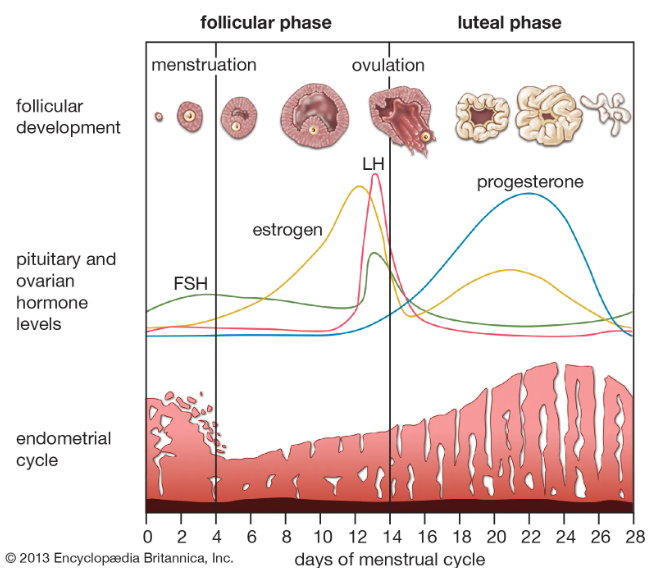
Progesterone is a naturally occurring hormone in the female body, produced by the corpus luteum during the second half of the menstrual cycle. It plays a vital role in preparing the womb lining (endometrium) for pregnancy and maintaining it in the early stages if conception occurs.
Synthetic versions of progesterone—known as progestogens—are widely used in medicine. They serve many purposes, including:
Contraception
Fertility treatment
Managing PMS/PMDD
Treating acne and excessive hair growth (hirsutism)
Hormone replacement therapy (HRT)
Controlling heavy or painful periods
Treating endometriosis and fibroids
How Progestogens Work in the Body
Progestogens act on various receptors throughout the body, with their main effects targeting progesterone receptors. Here’s what they do:
Prepare the endometrium for implantation and support early pregnancy
Thicken cervical mucus to block sperm after ovulation
Reduce uterine contractions
Affect breast tissue and skin
Influence mood and the nervous system via GABA receptors (only in natural progesterone)
When oestrogen is also present, it increases the sensitivity of progesterone receptors, meaning the two hormones work together and can affect how the body responds.
Natural progesterone also has antimineralocorticoid properties, acting like a mild diuretic—helping to lower blood pressure and increase fluid excretion.
Natural vs Synthetic: What's the Difference?
Bioidentical progesterone (chemically identical to the body’s own hormone) is poorly absorbed unless specially prepared. It’s usually taken as micronised progesterone in oil-based capsules (like Utrogestan) or as vaginal pessaries (Cyclogest, Lutigest).
In contrast, synthetic progestins are much more widely used and come in several chemical types, derived from testosterone, progesterone, or spironolactone. These derivatives have different effects:
1. Testosterone-derived progestins
Often have androgenic (male hormone-like) effects:
Estranes: norethisterone (Noriday, Elleste, Evorel)
Gonanes: levonorgestrel (Microgynon, Mirena, Levonelle)
2. Progesterone-derived progestins (neutral in terms of androgenic effects):
desogestrel (Cerazette, Marvelon)
etonogestrel (Nexplanon implant, NuvaRing)
gestodene (Femodene)
norgestimate (Cilique), norelgestromin (Evra patch)
medroxyprogesterone acetate (Provera, Tridestra, Indivina)
dydrogesterone (Femoston)
3. Spironolactone-derived progestins (anti-androgenic):
drospirenone (Yasmin, Slynd)
Side Effects of Progesterone and Progestins
Side effects vary depending on the type of progestogen and whether it’s taken alone or with oestrogen. Common symptoms include:
Light or absent periods
Breast tenderness
Headaches
Weight gain or increased appetite
Low mood, especially premenstrually
Acne or greasy skin
Vaginal dryness
Low libido
The type of progestin used significantly influences side effects. For instance:
Androgenic progestins (like norethisterone, levonorgestrel) may worsen acne but help maintain libido.
Anti-androgenic progestins (like drospirenone) can improve acne and reduce unwanted hair growth, but may contribute to low libido.
Neutral progestins (like desogestrel) tend to have fewer hormonal side effects.
When combined with oestrogen (as in the combined contraceptive pill), all progestins reduce free testosterone levels, which can help with acne and hirsutism but may impact libido.
When to Avoid Progestogen-Only Treatments
Progestogens are generally safe, but there are a few important exceptions:
Cardiovascular disease: Mainly relevant to the Depo-Provera injection in those with multiple risk factors or existing vascular disease.
Breast cancer: Avoid in current cases. Past cases require specialist advice.
Severe liver disease: Progestins aren’t advised in severe cirrhosis or liver tumours due to limited safety data.
Combined Hormones: Added Risks?
When progesterone is combined with oestrogen, the risk profile changes. For example:
Blood clot risk (VTE): Depends on the type of progestin, oestrogen dosage, and route (oral vs. patch/gel). Some combinations carry higher risks than others.
Bone health:
Depo-Provera can cause slight bone loss, especially in younger women, but this usually reverses after stopping.
Implants and hormonal coils like Mirena have minimal impact on bone density.
Progestogen-only pills don’t significantly affect oestrogen levels, and are not thought to harm bones.
Combined oral contraceptives may slightly affect bone growth in teens but not in adults.
HRT actually protects bone density and is used to treat or prevent osteoporosis in menopausal women.
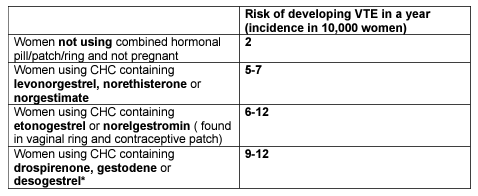
Blood clot risk
The type of progestin used in combined contraception affects the risk of bloods clots (VTE) also known as deep vein thrombosis (DVT) and pulmonary embolism (PE).
Final Thoughts
Progesterone and its synthetic alternatives are incredibly versatile, used across a wide range of women’s health concerns—from contraception to menopause care. Understanding the differences between types, their side effects, and their impact on your health is essential for making informed choices.
If you're considering progesterone or progestogen therapy, speak to a healthcare provider about what’s right for your body and lifestyle.
References
[1] Golightly E Progestin-only contraception and venous thromboembolism Journal of Family Planning and Reproductive Health Care 2012;38:181
[2] Stegeman BH, de Bastos M, Rosendaal FR, et al. Different combined oral contraceptives and the risk of venous thrombosis: systematic review and network meta-analysis. BMJ 2013;347:f5298
[3] Weill A, Dalichampt M, Raguideau F, et al. Low dose oestrogen combined oral contraception and risk of pulmonary embolism, stroke, and myocardial infarction in five million French women: cohort study. BMJ 2016;353:i2002
[4] UK Medical Eligibility Criteria for the Contraceptive use UKMEC 2016 (amended September 2019)
[5] https://theros.org.uk/media/1veaitxx/depo-provera-and-osteoporosis-fact-sheet-april-2017.pdf